
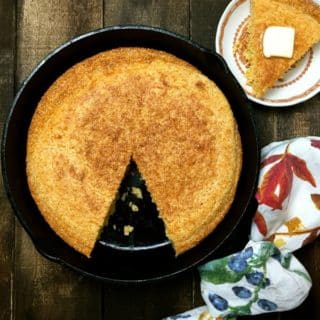
This old-fashioned cornbread is the way Southern cooks made it for generations: nothing but cornmeal - no flour and no sugar - which means it’s naturally gluten-free. It bakes up denser than modern cornbread, with a deep corn flavor and crispy, crunchy edges from a hot cast-iron skillet, and it’s ready in about 30 minutes.
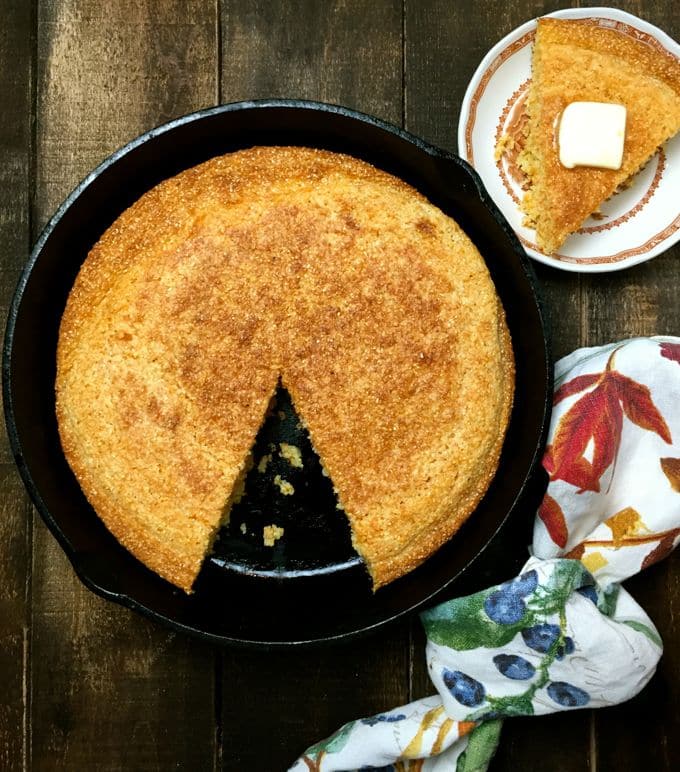
When I was growing up, my mother made this skillet cornbread recipe and served it often. I make mine in the same cast-iron pan she used, and I’m thrilled to share her recipe with you.
⭐⭐⭐⭐⭐ Reader review: "Cornbread came out perfect. Exactly like Grandma’s. I like it because it is gluten-free with no added sugar. It was really easy and fast to make as well. Thank you for this recipe." - Grandma Nancy
How this differs from my traditional Southern cornbread
I have two skillet cornbread recipes on the blog, and they are truly different breads. My Southern Cornbread Recipe includes a little flour, bakes at 450 °F, and comes out lighter - it’s the one I use for my cornbread dressing.
This one is my mother’s: all cornmeal, no flour, baked at 400°F. It’s denser, the corn flavor is stronger, and because there’s no flour, it’s the one to make if anyone at your table is avoiding gluten. Neither has a speck of sugar - on that point, my mother and I are in complete agreement.
Old-fashioned cornbread ingredients
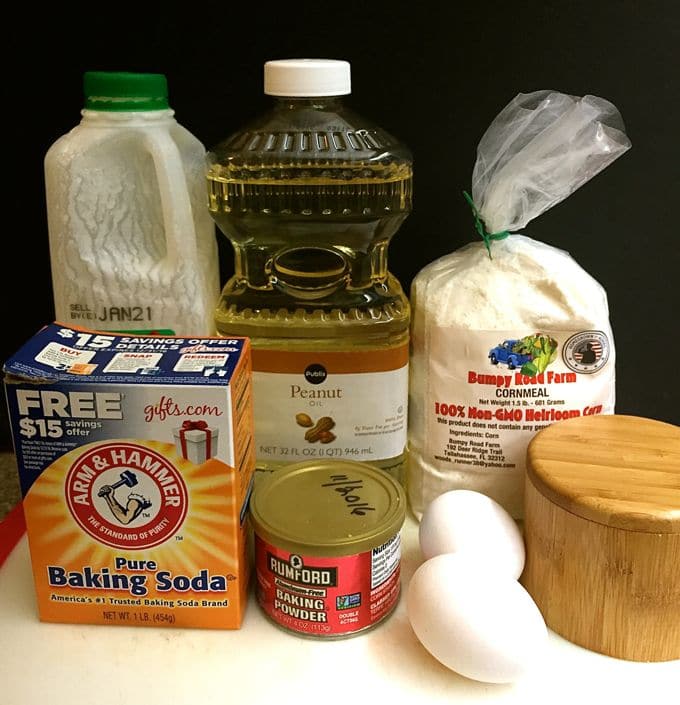
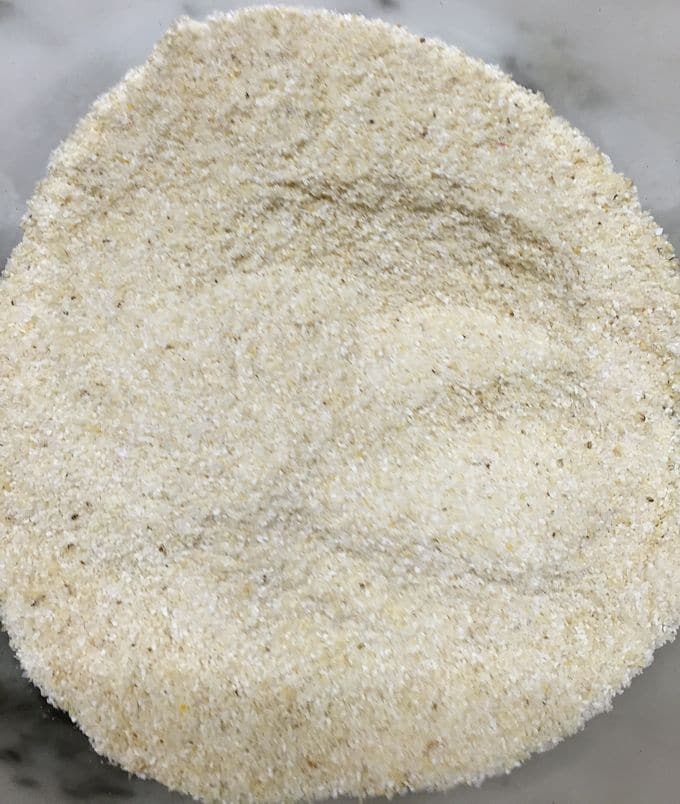
- Stone-ground cornmeal - brings its signature sweet corn flavor and texture to this old-fashioned cornbread. The cornmeal you use makes a real difference: I use locally milled Bradley's Stone Ground Cornmeal from just up the road, but any coarse stone-ground cornmeal will give you that old-fashioned texture a fine grind can't. And always store cornmeal in the refrigerator or freezer.
- Baking powder and baking soda - are leavening agents, which work with the buttermilk and salt to lighten the cornbread's texture and help it rise.
- Kosher salt - enhances the flavor of the other ingredients.
- Buttermilk - adds its characteristic tang and works with the baking powder and soda to lighten the texture of the bread.
- Eggs - add structure, moisture, and flavor.
- Peanut oil or bacon grease adds moisture, texture, and flavor. If you have it, melted bacon grease may be substituted and, as you might imagine, adds wonderful flavor.
How to make Old-Fashioned Cornbread
- When you are ready to make it, gather your ingredients and preheat the oven to 400°F.
- Add two tablespoons of vegetable oil or bacon grease to a 10-inch cast-iron skillet. Place the skillet in the oven for about five to seven minutes to heat up.
- While the skillet is heating up, combine the cornmeal, baking powder, baking soda, and salt in a large mixing bowl.
- Add the eggs, buttermilk, and two tablespoons of vegetable oil or melted bacon grease to a smaller bowl and whisk until well combined.
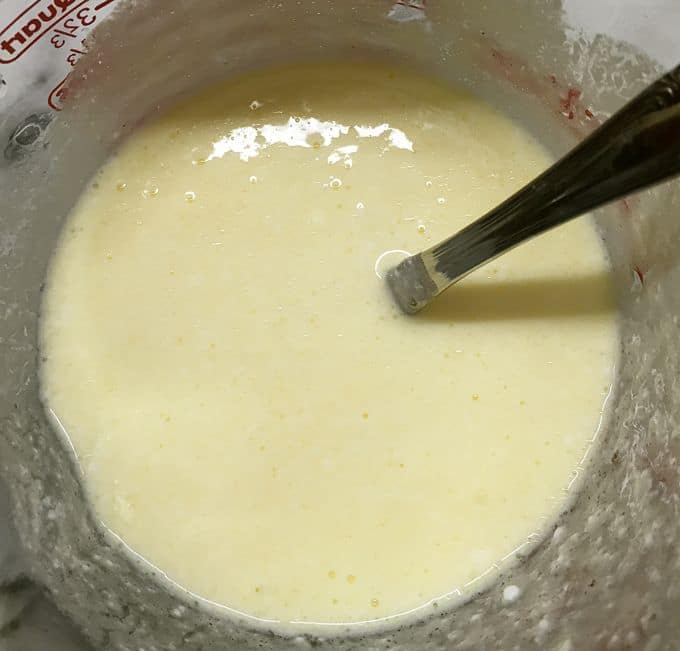
- Add the liquid ingredients to the dry ingredients and mix until just combined. Do not overmix.
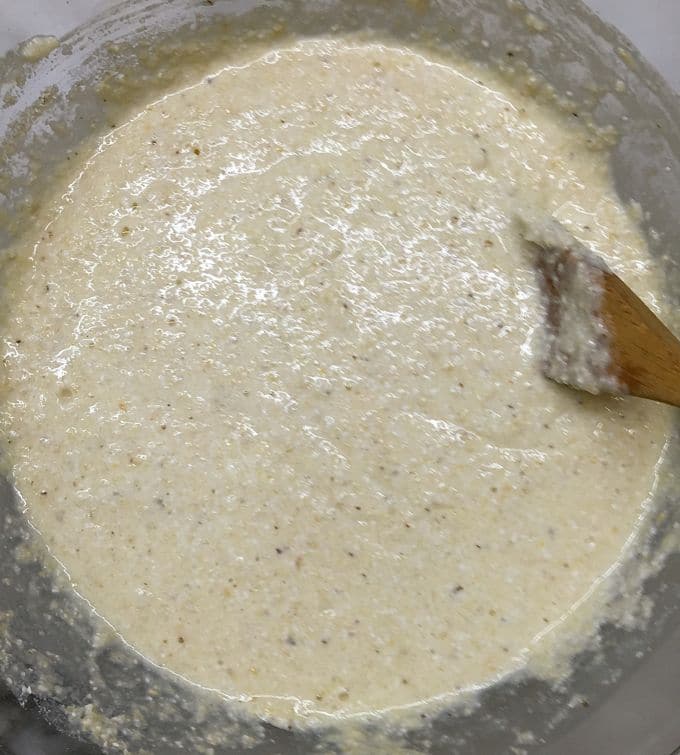
- Using a heavy-duty oven mitt or potholder, carefully remove the hot skillet from the oven. Tilt the skillet to make sure the bottom and sides are covered with oil. Immediately pour the cornbread batter into the skillet. You should hear a nice sizzle, and you will see the cornbread already start to rise.
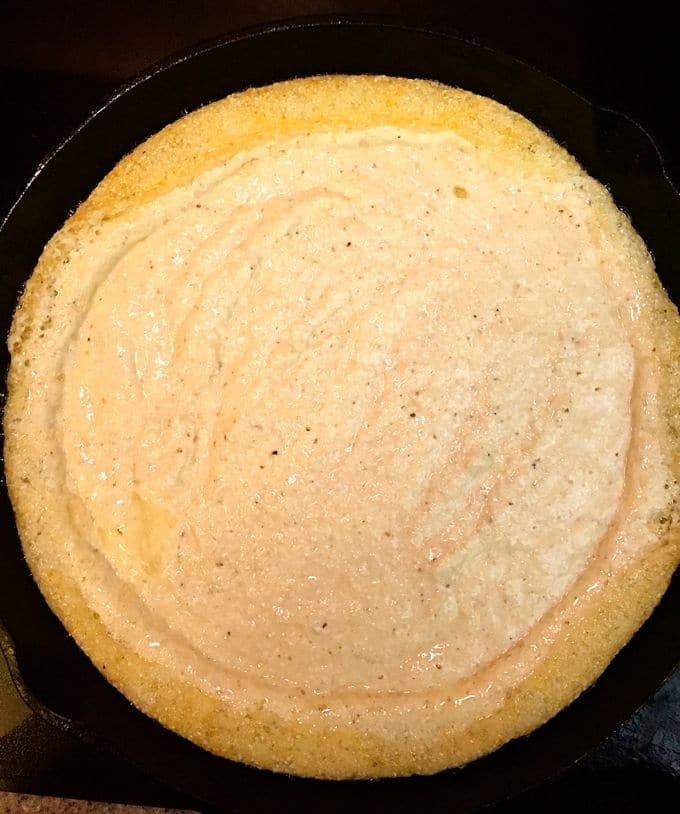
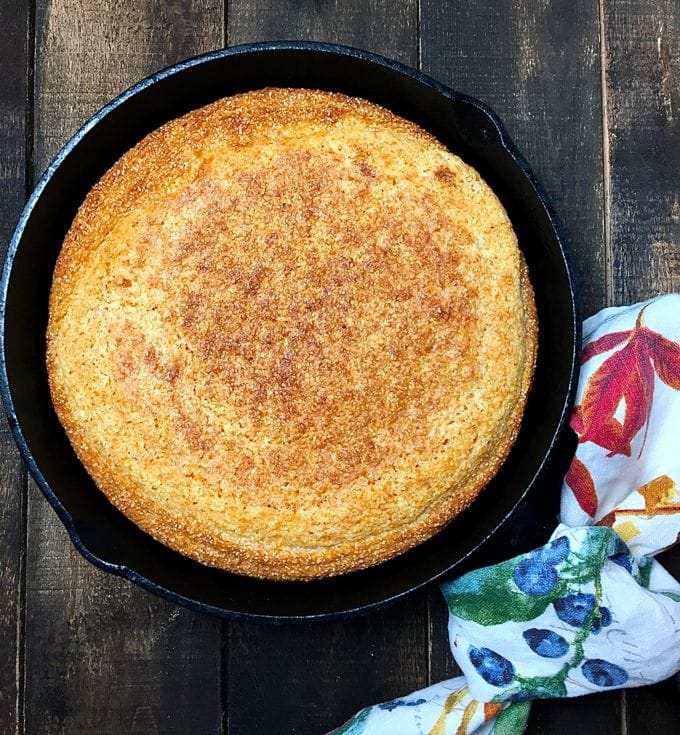
- Place the skillet back in the oven and bake for about 20-25 minutes. The cornbread is done when the top is a deep golden brown and has slightly pulled away from the sides. To ensure it is done, insert a toothpick into the center. It should come out clean.
- Serve immediately with plenty of butter.
Serving suggestions
One of my favorite ways to enjoy cornbread is crumbling still-hot and crusty cornbread into a tall glass of cold, tangy buttermilk. This may be an acquired taste, but if you have never had it this way, I hope you will try it!
- In the colder months, I like to serve this old-fashioned cornbread with Chuck Roast Chili or Salsa Verde Chili, Black-Eyed Pea Soup, Black-Eyed Peas, or Hoppin’ John, and Collard Greens.
- In the summer, I pair it with Purple Hull Peas, Field Peas with Snaps, Succotash, Creamed Corn with Fresh Corn, or Fried Corn with Bacon and sliced fresh tomatoes.
Recipe FAQs
It’s a type of quick bread that is often made with only cornmeal or cornmeal and flour. Most recipes also call for buttermilk. In the South, it is usually baked in a cast-iron skillet, which gives it a crispy crust, and its taste depends on the recipe, the type of cornmeal used, and whether sugar is added.
The best description I’ve seen is that it tastes of cornfields on a warm summer day!
Corn is easy to grow and, like Southern peas, thrives in the South’s sandy soil and hot and humid weather. The first cornbread was simply ground corn and water, and over the years it has evolved into a classic side dish for most Southern food.
Because cornmeal is the star of the show, this recipe works best with the old-fashioned coarse stone-ground kind. If you are in the Tallahassee area, try Bradley’s Stone Ground Cornmeal, which is locally made and available at Bradley’s Country Store and at local farmers’ markets.
The secret is buttermilk. Not only does this liquid gold add incredible flavor, but it also helps lighten the dense bread and make it more tender.
A well-seasoned cast-iron skillet is essential to make perfect cornbread. It will give you the best results and the crispiest crust. You can use a metal or glass baking dish, but you won’t get the beautiful crust.
Cornbread with no flour is naturally more crumbly than cornbread made with it - that’s the old-fashioned texture, not a mistake. But if it’s dry, the usual culprits are overbaking or overmixing. Pull it as soon as a toothpick comes out clean and the edges pull away from the skillet, and stir the batter only until just combined. If you’d rather have a bread that slices cleanly, that’s what my traditional recipe with flour is for.
Sharon’s tips
- Cornbread is best served piping hot right out of the oven. While it's best not to make it ahead, you can prep the ingredients by getting everything ready and mixing the dry ingredients separately from the wet ingredients. Don't mix the two together, however, until right before you are ready to pour the batter into the hot skillet.
- Cornbread will keep for two to three days on your kitchen counter, about a week in the refrigerator, or about two to three months in the freezer. Be sure to wrap it tightly and keep it covered.
- Leftover cornbread is delicious when sliced and toasted under the broiler for a minute or so. Then, top with a pat of butter.
- This recipe works best with coarse stone-ground cornmeal. Try to find locally sourced cornmeal if you can.
- If you don't have buttermilk, you can make your own by mixing a cup and a half of whole milk with one and a half tablespoons of either lemon juice or white vinegar. Let this mixture sit for five minutes, and voila, buttermilk. It's probably not something you would want to drink, but it works perfectly in this recipe.
- A cast-iron skillet works best for baking traditional Southern cornbread. Please don't skip preheating the skillet before adding the batter. Adding the batter to a hot skillet is what makes the crust crispy.
What to serve with this cornbread
⭐ ⭐ ⭐ ⭐ ⭐ If you make this dish, please leave a comment and give this recipe a star rating. I would love to know how you liked it!
Want easy weeknight dinners like this one delivered to your inbox every week? Subscribe here, and I'll send my newest recipes straight to you by email.
Thank you so much for visiting Grits and Pinecones! I hope you come back soon!
Southern Comfort with a Side of Simplicity
For over a decade, Grits and Pinecones has been serving up delicious recipes with a Southern flair, simple, flavorful, and perfect to share with family and friends.
Recipe:
Want to Save This Recipe?
Enter your email & I’ll send it to your inbox. Plus, get great new recipes from me every week!
By submitting this form, you consent to receive emails from Grits and Pinecones.
Old-Fashioned Cornbread Recipe (No Flour - Gluten-Free)
Ingredients
- 4 tablespoons vegetable oil or bacon grease divided (I usually use peanut oil)
- 2 cups coarse stone-ground cornmeal
- 1 teaspoon baking powder
- 1 teaspoon baking soda
- 1 teaspoon kosher salt
- 2 large eggs
- 1½ cups buttermilk
Instructions
- Preheat the oven to 400°F.
- Add 2 tablespoons vegetable oil or bacon grease to a 10-inch cast-iron skillet. Place the skillet in the oven for five to seven minutes to heat up.
- While the skillet is heating up, combine the cornmeal, baking powder, baking soda, and salt in a large bowl.
- Add the eggs, buttermilk, and two tablespoons of vegetable oil or melted bacon grease to a smaller bowl and whisk until well combined.
- Add the liquid ingredients to the dry ingredients and mix until just combined. Do not over mix.
- Using a heavy-duty oven mitt or potholder, carefully remove the hot skillet from the oven. Tilt the skillet to make sure the bottom and sides are covered with oil. Immediately pour the batter into the skillet. You should hear a nice sizzle, and you will see the batter already start to rise.
- Place the skillet back in the oven and bake for 20-25 minutes, or until the cornbread is a deep golden brown and has pulled away from the sides a little. To ensure it is done, insert a toothpick into the center. It should come out clean. Serve immediately.
Notes
- Cornbread is best served piping hot right out of the oven. While it's best not to make it ahead, you can prep the ingredients by getting everything ready and mixing the dry ingredients separately from the wet ingredients. Don't mix the two together, however, until right before you are ready to pour the batter into the hot skillet.
- Cornbread will keep for two to three days on your kitchen counter, about a week in the refrigerator, or about two to three months in the freezer. Be sure to wrap it tightly and keep it covered.
- Leftover cornbread is delicious when sliced and toasted under the broiler for a minute or so. Then, top with a pat of butter.
- This recipe works best with coarse stone-ground cornmeal. Try to find locally sourced cornmeal if you can.
- If you don't have buttermilk, you can make your own by mixing a cup and a half of whole milk with one and a half tablespoons of either lemon juice or white vinegar. Let this mixture sit for five minutes, and voila, buttermilk. It's probably not something you would want to drink, but it works fine in this recipe.
- A cast-iron skillet works best for baking traditional Southern cornbread. Please don't skip preheating the skillet before adding the batter. Adding the batter to a hot skillet is what makes the crust crispy.


Barbara
I remember making this the past few years & it always turned out delicious. This time I made 2x the batch for a big Thanksgiving dinner & it turned out to be way too salty & the corn isn’t “dissolved”. I used the stone ground one (the most expensive!) & somehow it doesn’t feel right when you eat the bread. It’s not been “soaked” so it’s quite hard & I will have to toss my 3 loafs as people would get heavy belly aches. I am going back to the store & buy normal polenta & add only 1/4 of the salt to it. I will make just 1 batch & add some apple sauce for a bit of sweetness to it. I’ll let you know how it turned out.
Cindy
I followed the recipes exactly as it is written using beef tallow as the oil/grease. The results are amazingly delicious. Thanks for sharing the best flour free cornbread recipe.
Sharon Rigsby
Oh, Cindy, I’ll bet it was delicious! I have some beef tallow I have been saving. I’ll have to try it! Thanks for sharing!
Sharon
Grammye at Grammye’s Front Porch
Cornbread. Thanks for lots of helpful details. I’m a hundred percent with you — that hot grease in the skillet is so important. And the cornbread-and-buttermilk dessert — if you know, you know. 💖
Laura
This is exactly the cornbread recipe I was handed down from my grandmother and still make in her 100 year old cast iron skillet! I did adapt and now use Butter-flavored Crisco instead of bacon grease or other oil and it gives it a bit of butter flavor. Agree, Stone ground cornmeal is the key!
Sharon Rigsby
Hi Laura, that is awesome! I’ll have to try out your idea of the butter-flavored Crisco!
Thanks so much for sharing,
Sharon
Grandma Nancy
Cornbread came out perfect. Exactly like grandmas. I like it because it is gluten free with no added sugar. It was really easy and fast to make as well. Thank you for this recipe.
Sharon Rigsby
Awesome, I am so glad you liked it, and thank you, too, for taking the time to let me know!
All the best,
Sharon
Carla
I really enjoyed this recipe! I was looking for a recipe for the cornbread to make stuffing and this one is pretty close to it. Mrs Jones would make the absolute best stuffing in the world but it starts with the cornbread if that’s not right then it throws the whole thing off,but last night I made yours and it was so close I was thrilled everyone enjoyed it. Thank you and God bless!
Sharon Rigsby
Hi Carla, I’m so happy you liked the cornbread. Thank you for letting me know, too!
All the best,
Sharon
Regina A
Hi, this recipe brings back so many memories. My mother prepared it the exact same way.
Sharon Rigsby
I’m so happy you liked it, and saying it was like your mom’s recipe is the highest compliment. Thank you!
All the best,
Sharon
Hope
I know that this may be a stretch, but is there a non-dairy alternative milk you recommend to use with this recipe??
Sharon Rigsby
Hi Hope, I’m sorry, but I haven’t ever tried anything but buttermilk, so I can’t really recommend an alternative. But I did find this blog post about non-dairy substitutes for buttermilk: https://www.godairyfree.org/dairy-substitutes/dairy-free-how-to-substitute-buttermilk. That might give you some options. If you decide to try a non-dairy substitute, please let me know how it goes!
All the best,
Sharon
Candice
I just replace the milk with water in all of my cornbrea/baking recipes and works out great !
Michael
Is there no flour that goes in this?, I’m going to try it anyway 😋
Sharon Rigsby
Hi Michael, yes, this recipe doesn’t call for any flour. Because of this, the cornbread is a little heavier and denser than some cornbreads you might have had before. If you are looking for a cornbread recipe that contains flour, you might want to try my traditional recipe: https://www.gritsandpinecones.com/traditional-southern-style-cornbread/
All the best,
Sharon
Michael
No that’s fine, this is the one that I was wanting.
Thank You,
Michael
Albert Huth
What is the difference if I use butter instead of oil in the mix? I will use oil in the skillet . Also I use a cup of frozen corn thawed and pulsed for a bit smaller corn bits.
Thanks for your help,
Al Huth
Sharon Rigsby
Hi Albert, the purpose of oil is to keep the cornbread moist. Oil has a higher fat content, and most butter (varies by brand) is only about 75% fat, with the rest being mostly water. I have never substituted butter, so I can’t say for sure, but you might find that although the butter will give it a richer taste, your cornbread may be a bit drier. I do like your idea of adding the corn bits. If you do decide to use butter, please let me know how it goes.
All the best,
Sharon
Doreen
Way to much salt otherwise loved texture and flavor..