
What are smoked beef short ribs?
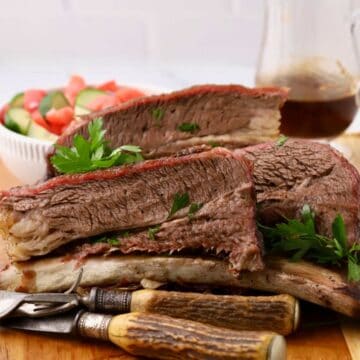
Smoked beef short ribs are meaty beef ribs cooked low and slow in a smoker or on a Big Green Egg until they develop a dark bark and become tender, juicy, and rich with smoky beef flavor. They are often made with plate short ribs or chuck short ribs and are cooked until probe-tender, usually around 200°F to 205°F.
Quick look at the recipe
Cook method: Low and slow smoking | Cook time: 8-10 hours including rest Servings: 4 | Difficulty: Moderate | Target smoker temperature: 250°F | Target internal temperature: 200°F to 205°F, or until probe tender
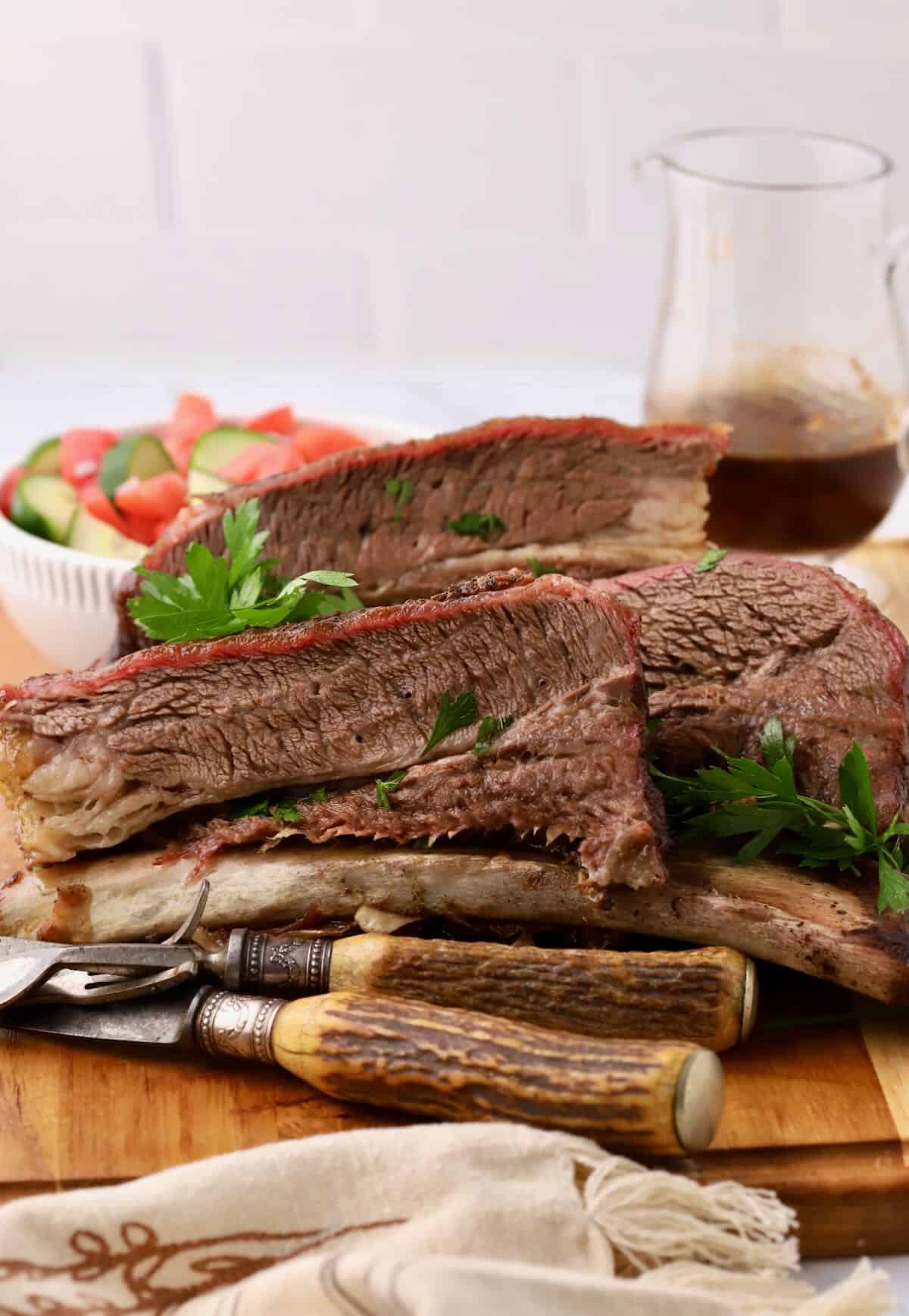
Help me make this recipe!
Smoked beef short ribs are one of the most impressive cuts of beef you can cook on a smoker or Big Green Egg. Often called “dinosaur ribs” because of their massive size, these meaty ribs are smoked low and slow until they’re tender, juicy, and packed with rich beef flavor.
This easy smoked beef short ribs recipe uses a simple salt, pepper, and garlic rub and cooks at 250°F until the meat develops a beautiful bark and becomes probe-tender. Whether you’re using a Big Green Egg, pellet grill, offset smoker, or charcoal smoker, this method delivers tender, smoky, barbecue-worthy results.
Like my Smoked Chuck Roast, these beef ribs take time, but the payoff is worth every minute. Once you try homemade smoked beef short ribs, you’ll understand why they’re one of the most sought-after barbecue cuts around.
Jump to:
- What are smoked beef short ribs?
- Quick look at the recipe
- Help me make this recipe!
- Why you’ll love this recipe
- Ingredient notes for smoked beef short ribs
- Recipe variation
- Kitchen wisdom
- How to smoke beef short ribs
- Serving suggestions
- Storage and reheating
- Recipe FAQs
- Expert tips for smoking beef short ribs
- More smoked recipes you’ll love
- Join the conversation
- Recipe:
Why you’ll love this recipe
- Big beefy flavor with only three simple seasonings.
- Works on a Big Green Egg, smoker, pellet grill, or charcoal grill.
- Creates a rich bark and tender, juicy meat.
- Like my recipes for Smoked Spatchcock Chicken and Smoked Chicken Thighs, it’s perfect for backyard barbecues and weekend cookouts.
Ingredient notes for smoked beef short ribs

- Beef plate short ribs or chuck short ribs – Beef plate short ribs are the preferred cut because they contain more meat and marbling than beef back ribs. Look for a rack with three to four bones and plenty of meat on top. Avoid beef back ribs, which tend to dry out during long smoking sessions.
- Kosher salt, ground black pepper, and garlic powder – these simple seasonings are all you need to enhance the beef flavor.
- Beef stock, Worcestershire sauce, and apple juice – come together to make a flavorful mixture to add flavor and to spritz on the meat while smoking to keep it from drying out.
- Equipment – you will also need charcoal or fuel for your covered grill or smoker, pink butcher paper or aluminum foil, an instant-read or leave-in meat thermometer, and wood for smoking.
Recipe variation
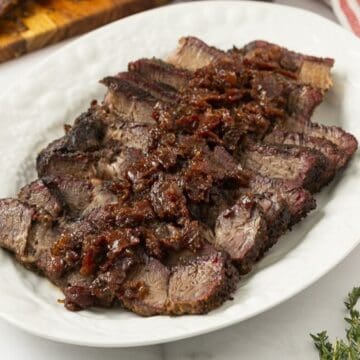
- Top with my sweet-and-savory bourbon bacon onion jam, for a Southern-style barbecue dinner worthy of a special occasion.
Kitchen wisdom
New to smoking? Watch my quick tutorial on “How to set up a Big Green Egg for Smoking” and maintain a steady cooking temperature. This short video is also perfect for setting up your smoker for double-smoked ham or herb-smoked turkey.
How to smoke beef short ribs
- Use a sharp filet knife and trim off most of the fat on the top and any silver skin. Do not remove the membrane on the bottom of the ribs.

- Combine the salt, pepper, and garlic powder and sprinkle generously over all sides of the ribs.

- If you use a Big Green Egg, add a generous layer of charcoal and light the fire. Preheat the Egg to 250°F. Add a few large chunks of unsoaked wood, about three inches square, then add the plate setter with legs up and the cooking grid.
- To set up other grills or smokers, follow the manufacturer’s directions for indirect cooking or smoking and preheat to 250°F. Add wood as specified by the manufacturer. The goal is to have a consistent temperature and a steady thin stream of pale bluish-gray smoke.
- Set the rack of beef short ribs on the grate, meat side up. Insert a leave-in meat thermometer into the thickest part of the meat, not touching the bone, and close the lid.

- Combine the beef stock, apple juice, and Worcestershire sauce and place in a spray bottle. Set aside.

- Let your ribs cook for about three hours. Lift the lid and spritz the ribs with the beef stock mixture. Add more charcoal or wood if needed. Plan to spritz the ribs every hour after the third hour of cooking until they reach approximately 165°F.
- When the ribs reach about 165°F and the bark has developed a deep mahogany color, wrap them tightly in pink butcher paper. You will need a large piece of unwaxed pink butcher paper (about 3 ft x 3 ft). Fold over both the left and right sides of the paper towards the middle. Then tightly fold the meat and paper over and over on itself until it’s a nice tight package and completely sealed.

- Place the wrapped ribs back in the smoker, seam-side down, and reinsert the meat thermometer. Continue cooking until they reach an internal temperature of 200 to 205°F. Make sure the thermometer is in the thickest part of the meat, not touching the bone.

- Remove the wrapped ribs from the smoker and place them in an insulated cooler. Let them rest for at least one hour before unwrapping and serving. Save any cooking liquid and serve with the ribs, or serve with my bourbon bacon onion jam for a sweet and smoky taste.
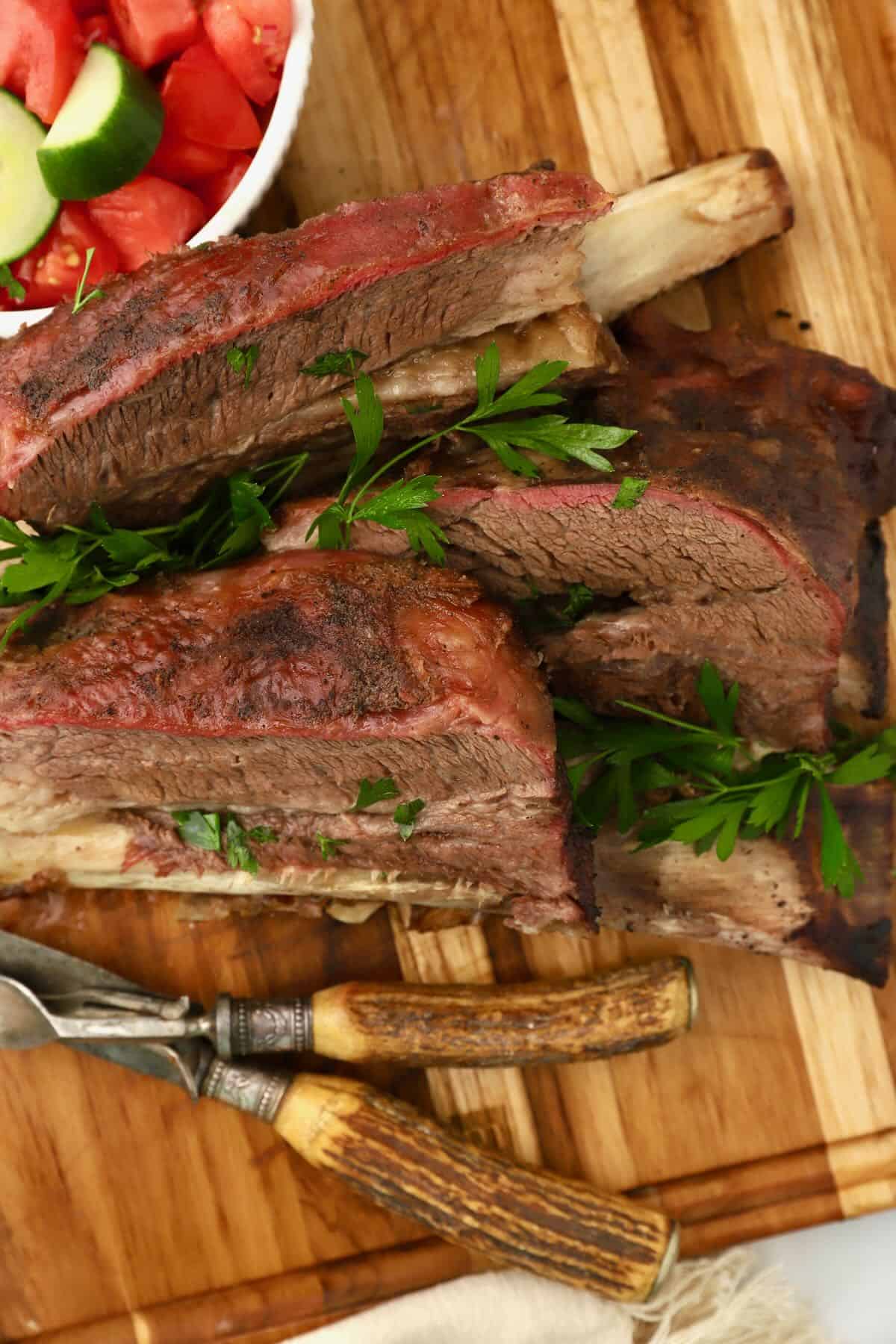
Serving suggestions
I like to serve these beef short ribs with my smoked baked beans or smoked sweet potatoes. Summer pasta salad, creamed potatoes, southern fried cabbage, broccoli slaw with ramen noodles, broccoli salad, tomato pie, cherry tomato pie, or fried sweet corn also pair nicely.
Storage and reheating
- Store leftover smoked beef short ribs with any cooking liquid in an airtight container in the refrigerator for up to 4 days.
- For longer storage, wrap tightly and freeze for up to 3 months.
- To reheat, place the ribs in a covered baking dish with a splash of beef broth and warm in a 300°F oven until heated through.
Recipe FAQs
Smoked beef short ribs are usually done when they reach 200°F to 205°F, and a probe slides into the meat with little resistance.
Smoked beef short ribs usually take 8 to 10 hours at 250°F, including resting time. Cook time varies depending on the size and thickness of the ribs, so use temperature and tenderness as your guide.
Wrapping helps push through the stall and keeps the meat moist. Pink butcher paper is preferred because it protects the bark while still allowing the ribs to breathe.
Tough ribs simply need more time. Continue cooking until they’re probe-tender rather than relying solely on temperature.
Beef plate short ribs contain more meat and marbling than beef back ribs.
No. Leave the membrane intact when smoking beef short ribs. It helps hold the rack together during the long cook.
Beef has a bigger and bolder flavor, and it can benefit from stronger woods such as hickory and mesquite. I usually use oak because it's readily available where I live, but pecan, cherry, and other fruitwoods or a combination of woods can also be used.
Expert tips for smoking beef short ribs
- Buy plate ribs whenever possible.
- Cook to tenderness, not temperature.
- Don’t rush the rest.
- Use a leave-in thermometer.
- Keep the smoker closed.
- Wrap only after the bark is set.
- Use oak, hickory, or pecan for the best flavor.
More smoked recipes you’ll love

For more menu ideas, check out all of my grilling and smoker recipes.
Join the conversation
Did you make this recipe? I’d love to hear how it turned out and how you served it. Please leave a comment and star rating to let me know!
Southern Comfort with a Side of Simplicity
For over a decade, Grits and Pinecones has been serving up delicious recipes with a Southern flair-simple, flavorful, and perfect to share with family and friends.
Recipe:
Want to Save This Recipe?
Enter your email & I’ll send it to your inbox. Plus, get great new recipes from me every week!
By submitting this form, you consent to receive emails from Grits and Pinecones.
Smoked Beef Short Ribs
Equipment
- Covered grill or smoker plus fuel, wood for smoking, pink or peach butcher paper, instant-read or leave-in meat thermometer
Ingredients
- 4 pounds Beef Plate Short Ribs or Chuck Short Ribs 1 full plate or rack with 3-4 bones
- 1 tablespoon kosher salt
- 1 tablespoon ground black pepper
- 1 tablespoon garlic powder
- 1 cup beef stock
- 1 tablespoon Worcestershire sauce
- ½ cup apple juice or water
Instructions
- Use a sharp filet knife and trim off most of the fat on the top and any silver skin. Do not remove the membrane on the bottom of the ribs.
- Combine the salt, pepper, and garlic powder and sprinkle generously over all sides of the ribs.
- If you use a Big Green Egg, add a generous layer of charcoal and light the fire. Add several chunks of unsoaked wood, add the platesetter, legs up, the cooking grate, and preheat the Egg to 250°F.
- To set up other grills or smokers, follow the manufacturer's directions for indirect cooking or smoking and preheat to 250°F. Add wood as specified by the manufacturer. The goal is to have a consistent temperature and a steady thin stream of pale bluish-gray smoke.
- Set the rack of beef short ribs on the grate, meat side up. Insert a leave-in meat thermometer into the thickest part of the meat, not touching the bone, and close the lid.
- Combine the beef stock, apple juice, and Worcestershire sauce and place in a spray bottle. Set aside.
- Let your ribs cook for about three hours. Lift the lid and spritz the ribs with the beef stock mixture. Add more charcoal or wood if needed. Plan to spray the meat every hour until it reaches 165°F as measured by your meat thermometer.
- When the meat reaches an internal temperature of 165°F, remove it from the smoker and place it in the middle of a large piece of unwaxed pink butcher paper (about 3 ft x 3 ft). Fold over both the left and right sides of the paper towards the middle. Then tightly fold the meat and paper over and over on itself until it's a nice tight package and completely sealed.
- Place the wrapped ribs back in the smoker, seam side down, and reinsert the meat thermometer. Continue cooking until they reach an internal temperature of 200 to 205°F. Make sure the thermometer is in the thickest part of the meat, not touching the bone.
- Remove the wrapped ribs from the smoker and place them in an insulated cooler to rest for at least one hour before unwrapping and serving.
Notes
- New to smoking? Watch my quick tutorial on “How to set up a Big Green Egg for Smoking” and maintain a steady cooking temperature.
- While your meat is cooking, let the smoke do its magic. Resist the urge to lift the lid and peek. Continually lifting the lid makes it harder to control the temperature. It lets heat and smoke escape, which means your meat will take longer to cook properly.
- Before wrapping, look for dark mahogany bark that doesn’t rub off when lightly touched. The bark should look dry and set, not wet or muddy. If the ribs have reached 165°F but the bark isn’t fully developed, let them continue cooking unwrapped until they look right.
- While it’s pretty easy to find regular single short ribs at the grocery store, most stores don’t have plates or racks of beef ribs out for purchase. But many times, they do have them in the back that aren’t cut up yet. I usually shop at Publix and have never had a problem getting them. Ask your butcher.
- When purchasing your meat, you can use either beef plate short ribs or a rack of chuck short ribs. Do not use beef back ribs for this recipe; they do not have enough meat to smoke, and the meat they do have will dry out too quickly.
- If you don’t have unwaxed butcher paper, you can use aluminum foil. However, it will not allow any more smoke to penetrate the meat. I found my butcher paper on Amazon.
- A good meat thermometer makes all of the difference in cooking meat. It ensures it comes out perfectly cooked every time. Although you can use an instant-read thermometer, a leave-in thermometer works best. It keeps you from having to continually lift the lid to check the temperature.
- We have a Signals BBQ Alarm and Thermometer, which is great. It’s a leave-in model that constantly measures the meat’s temperature and the grill at the grate. It also connects to my phone via Wi-Fi or Bluetooth, so I can just set it and mostly forget it.


Leave a Reply